
Saving the smallest lives: Cal Poly alumni rethink respiratory care for premature babies
Premature babies in the neonatal intensive care unit (NICU) are among healthcare’s most fragile patients, with roughly 13.4 million babies born preterm each year globally. While respiratory assistance devices are essential to their survival, they can also introduce challenges with treatment.
California Polytechnic State University (Cal Poly) biomedical engineering alumna Josiah Waltner was introduced to this challenge two years ago by local neonatologist Dr. Steven Van Scoy of Adventist Health Sierra Vista in San Luis Obispo. Recognizing the need for a better solution, Waltner co-founded PNOIA, a startup developing a respiratory device designed to improve care for premature infants and the clinicians treating them.
“We did a lot of outreach and found that it’s not just happening on a local level, this is happening all across the nation and potentially the world, so we felt called to advocate for those patients,” Waltner said.
Waltner’s co-founder, Cal Poly mechanical engineering alumnus Aidan Geurts, joined PNOIA roughly a year ago through a senior project. Waltner said Geurts’ addition marked a turning point for the startup, helping transform the company with having visible momentum and growth.
Geurts said initial curiosity motivated him to join the startup, but visiting a local NICU and seeing premature babies firsthand solidified his commitment to the project.
“It completely moved me. If my baby was right there using these devices, I would be up in arms.” Geurts said. “From that moment on, I said, ‘Okay, this is a serious problem.’”
Waltner and Geurts said their complementary skill sets and collaborative approach have helped drive PNOIA’s development. While Waltner mainly focuses on research, development and commercialization, Geurts brings expertise in medical device design and computer-aided design (CAD).
“Aidan and I work very collaboratively, so we’re just bouncing ideas off of each other,” Waltner said. “We have a bunch of whiteboards set up in our space, and we’re always drawing diagrams or little notes.”
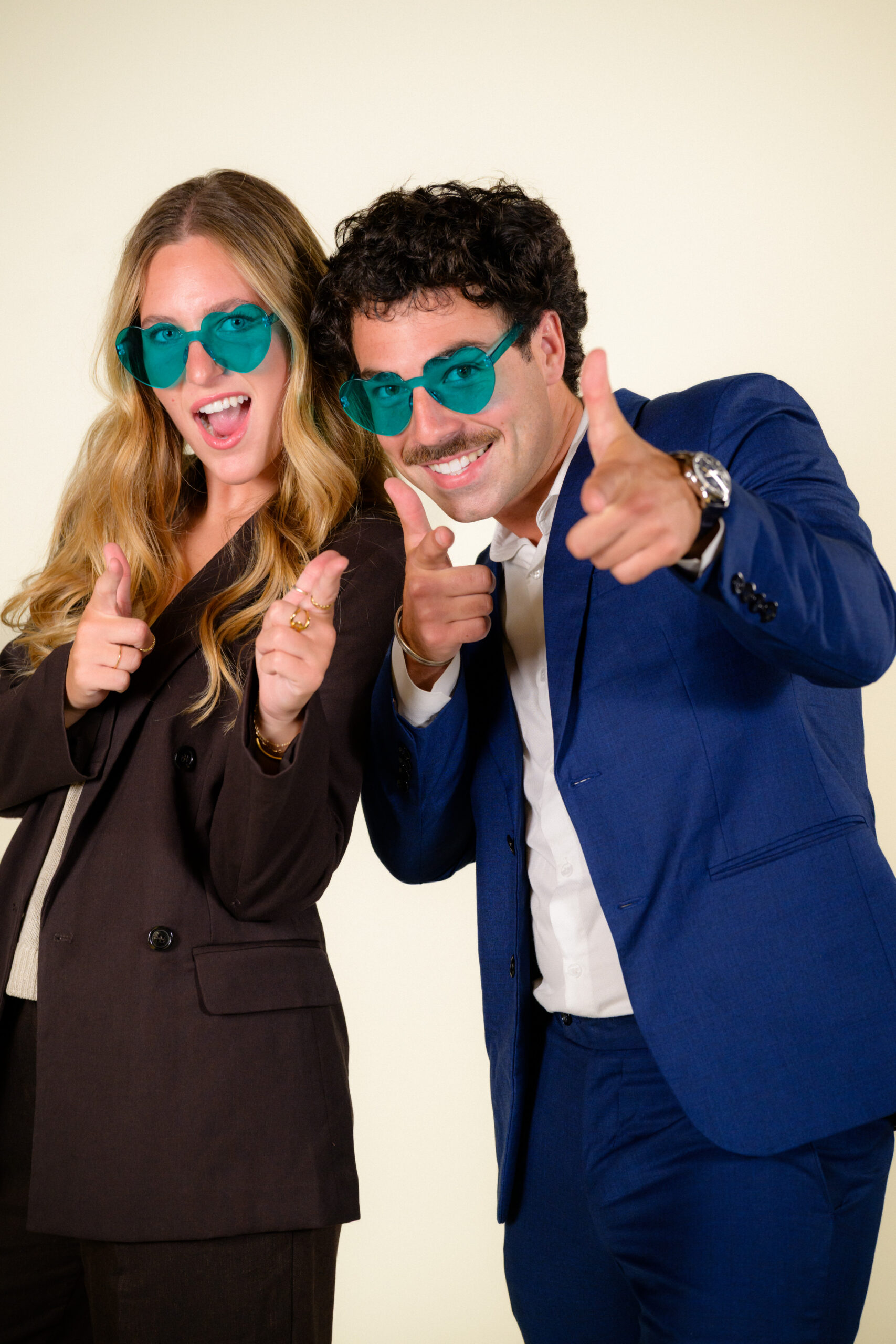
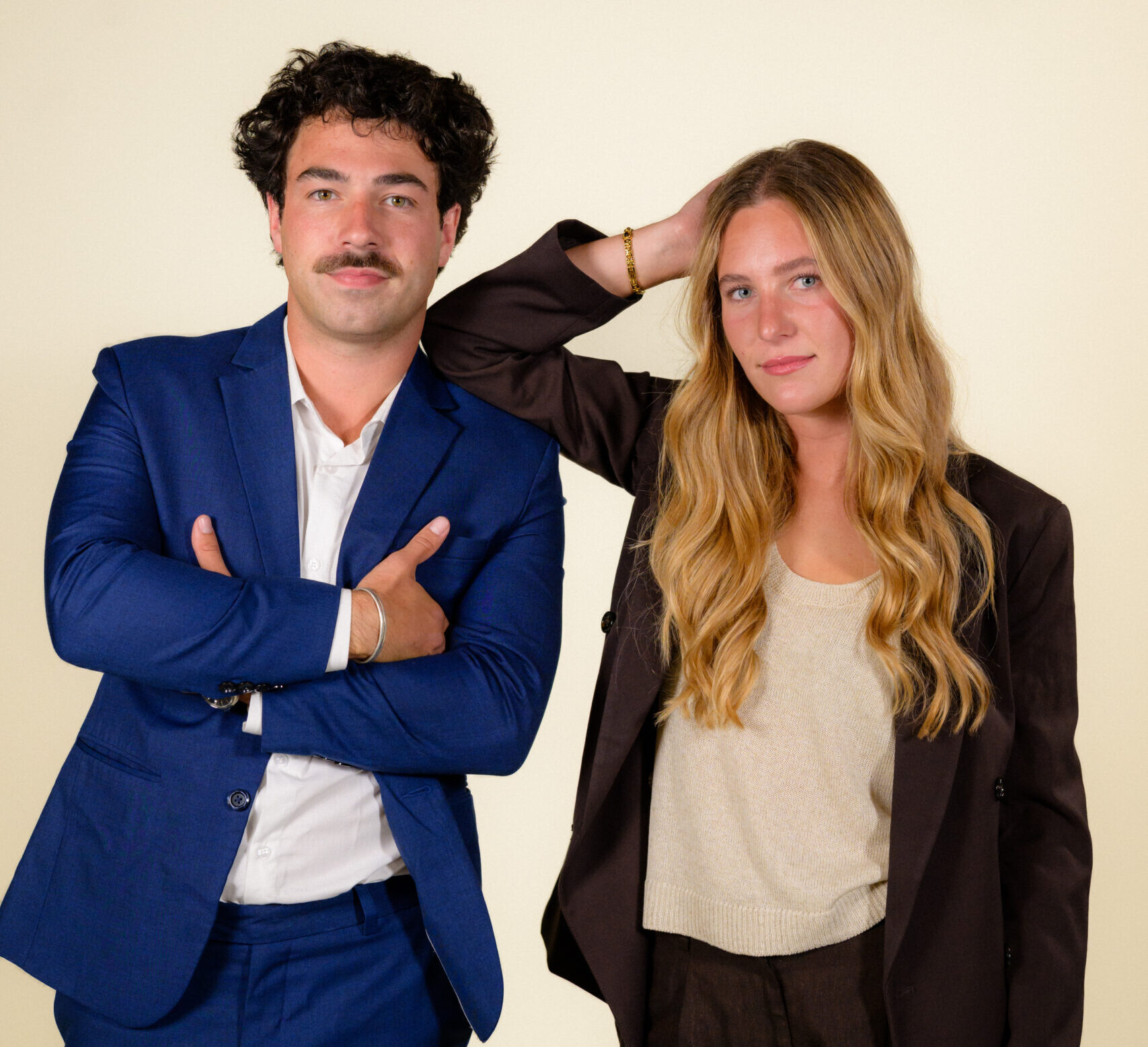
PNOIA co-founders Josiah Waltner (left) and Aidan Geurts (right)
Their collaboration even continues over their coffee breaks. “We take little breaks and work on making some lattes together, and that’s where a lot of ideas stem from,” Geurts said. “We have a very similar mindset around research and development and figuring out how to solve this problem.”
After winning the $15,000 first-place award at the Cal Poly Center for Innovation & Entrepreneurship’s (CIE) Innovation Quest this spring, the team said the recognition gave them the momentum to continue building PNOIA before joining the CIE’s Summer Accelerator program.
The Accelerator is a 10-week intensive program that provides Cal Poly students and recent graduates with resources to turn their innovative ideas into full-fledged startups. Participants receive $10,000 in seed funding, mentorship, entrepreneurial workshops, and a dedicated workspace in the HotHouse, the CIE’s downtown San Luis Obispo office.
“It shifted our mindset from this just being a cool project that we’re working on to this being a viable business and something worth pursuing,” Waltner said. “That was the moment where I really decided that I was ready to go all in.”
Before joining the Accelerator program, both Waltner and Geurts had full-time jobs planned following their graduation from Cal Poly. Geurts planned to move to Philadelphia, while Waltner was headed to Southern California. Instead, the pair chose to put those plans on hold and committed to PNIOA full time.
“The energy that Josiah brought into the idea of doing the Accelerator program moved me to have confidence not in just myself that I can do this, but in having such a quality co-founder,” Geurts said.
Working in the Accelerator together, the team has appreciated the endless connections they have made so far.
“We have made so many incredibly valuable connections; we’re being poured into from every angle,” Waltner said. “To be in this hub of entrepreneurship and excitement has really put our wheels in motion.”
As PNOIA continues to grow through the Accelerator, the team is focused on three priorities: Refining their prototype, pursuing patent protection and navigating the costly process of bringing a medical device to market, Geurts said.
“Our healthcare system isn’t designed for it to be easy to put a medical device into rotation — we have been stretching every dollar that we’ve received,” Waltner said.
By the end of the Summer Accelerator program, the team hopes to take the next steps towards protecting its intellectual property, begin benchtop testing and identify the appropriate FDA regulatory pathway this fall.
“I think our mission – we have it up on our whiteboard – is saving babies,” Geurts said. “This is what we’re here for.”
Missed Demo Day? Watch the full recording of PNOIA and our six other Accelerator startups pitch live at Demo Day.
###
About the Cal Poly Center for Innovation and Entrepreneurship:
The CIE opens a world of entrepreneurial opportunity to Cal Poly students, faculty and community members and promotes entrepreneurial activity and dialogue across the university and throughout San Luis Obispo County. For more information, visit cie.calpoly.edu.


